
Luck or skill what really drives success in gambling
The Role of Luck in Gambling
Luck is often perceived as a primary factor in gambling, a belief that has been ingrained in the culture surrounding games of chance for centuries. Many gamblers attribute their wins and losses to fate or chance, embracing the unpredictable nature of dice rolls, card draws, or roulette spins. This perception of luck can be traced back through the history of gambling, which has evolved from ancient rituals to modern casinos. In essence, luck provides the thrill and excitement that attract millions to gamble, turning an ordinary evening into a high-stakes adventure. With the emergence of technologies, tools like the Stake Casino App for Mobile have streamlined access to these experiences, enhancing convenience for players.
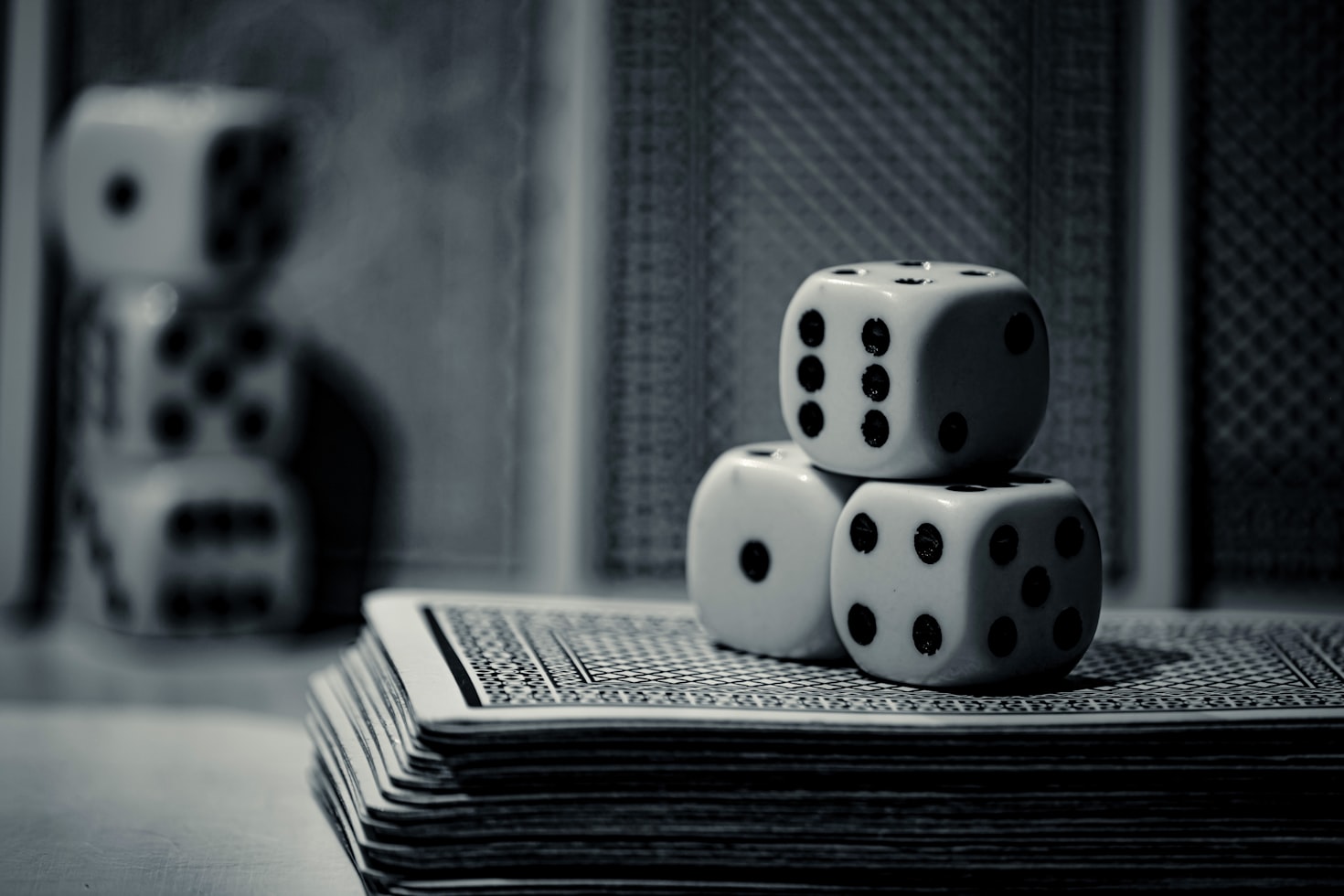
Historically, the notion of luck has played a crucial role in shaping gambling practices. Ancient civilizations viewed luck as a divine influence, often incorporating rituals and offerings to appease deities believed to control fortune. As gambling evolved, so did the understanding of luck, shifting from mystical beliefs to statistical probabilities in modern gambling strategies. Despite advancements in mathematics and game theory, luck remains a fundamental element that players must confront each time they engage in games of chance, creating a rich historical context that influences current behaviors.
However, it’s essential to note that while luck can influence the outcome of a single game or bet, it does not guarantee long-term success in gambling. Many gamblers experience short-term wins due to luck, which can lead to overconfidence and poor decision-making. Understanding the transient nature of luck helps players maintain a balanced perspective and encourages them to approach gambling as a form of entertainment rather than a guaranteed way to make money.
The Importance of Skill in Gambling
While luck undoubtedly plays a role in gambling, skill is equally significant, particularly in games that require strategy, such as poker, blackjack, and sports betting. Skilled players develop a deep understanding of game mechanics, probabilities, and psychology, allowing them to make informed decisions that can significantly impact their overall success. Over time, these skills can enhance a player’s edge, transforming gambling from a mere game of chance into a calculated endeavor.
For example, in poker, players must read their opponents, analyze betting patterns, and employ bluffing strategies to secure wins. This level of strategic thinking requires practice and experience, highlighting the importance of skill in determining the outcomes of games that allow for player interaction. Similarly, in sports betting, knowledge of teams, players, and game statistics can lead to more informed betting decisions, thus increasing the likelihood of success over time.
Moreover, skilled gamblers often adopt a disciplined approach to managing their bankroll, which is a crucial component of successful gambling. By setting limits and adhering to a well-structured strategy, players can mitigate the effects of bad luck and ensure longevity in their gambling pursuits. This balance between skill and luck ultimately defines the journey of a successful gambler, blending strategy with the unpredictable nature of chance.
The Intersection of Luck and Skill
The dynamic interplay between luck and skill creates a unique environment in which gamblers operate. Many seasoned players recognize that while they cannot control the luck of the draw, they can influence the outcome through their skillful play. This delicate balance is particularly evident in games where the odds are influenced by player decisions, such as poker or blackjack, where a skilled player can mitigate losses through informed choices.
The blending of luck and skill is also evident in various gambling strategies and systems that players employ. Some strategies focus on maximizing the chances of winning by leveraging statistical probabilities while acknowledging the inherent randomness in games. For example, card counting in blackjack seeks to gain an advantage by tracking the cards that have been dealt, offering skilled players a better opportunity to capitalize on favorable situations, albeit with the understanding that luck still plays a role in individual outcomes.
This interplay can lead to a rollercoaster experience for many gamblers, where periods of skillful play may yield favorable results, but bad luck can quickly overturn a carefully calculated strategy. Recognizing this interplay helps players remain grounded, reminding them that both elements are integral to the gambling experience. Ultimately, the most successful gamblers are those who can adapt their strategies to the ever-changing landscape of luck and skill.
Myths About Luck and Skill in Gambling
Various myths surround the concepts of luck and skill in gambling, often leading to misconceptions that can negatively impact a player’s approach. One common myth is the belief in “hot” and “cold” streaks, where players assume that a table or machine is due for a win after a series of losses. This belief can lead to irrational betting behaviors and an overreliance on luck rather than skill, ultimately detracting from the decision-making process.
Another prevalent myth is the idea that luck can be manipulated through rituals or superstitions. From lucky charms to specific betting sequences, many gamblers cling to these beliefs in hopes of swaying fortune in their favor. While these practices can be part of the fun, they do not alter the probabilities inherent in games of chance. Understanding these myths can help gamblers cultivate a more realistic perspective on their experiences.
Lastly, the misconception that gambling is entirely a game of luck can lead to a lack of preparation and study among players. Those who ignore the importance of skill may find themselves at a disadvantage, particularly in skill-based games. Emphasizing the need for a balanced approach can empower players to enhance their gambling strategies, making informed decisions that ultimately lead to better outcomes.

Conclusion: Balancing Luck and Skill in Online Gambling
As gambling continues to evolve in the digital age, understanding the balance of luck and skill becomes increasingly important. Online platforms now offer an array of options that cater to both skillful players and those who enjoy the thrill of chance. Recognizing the interplay between these elements allows players to tailor their strategies and optimize their gaming experiences.
Modern gambling platforms often provide resources and tools to help players improve their skills, whether through tutorials, practice games, or community forums. Engaging with these resources can significantly enhance a player’s understanding of various games and improve their overall success rate. Additionally, responsible gambling practices should be emphasized, ensuring that luck and skill do not overshadow the importance of playing for fun.
Ultimately, whether players find success through luck, skill, or a combination of both, the journey remains a fascinating exploration of chance and strategy. As online gambling continues to grow, platforms like Stake provide an innovative experience that allows players to engage with both aspects, ensuring that every spin and deal offers the potential for excitement and victory.